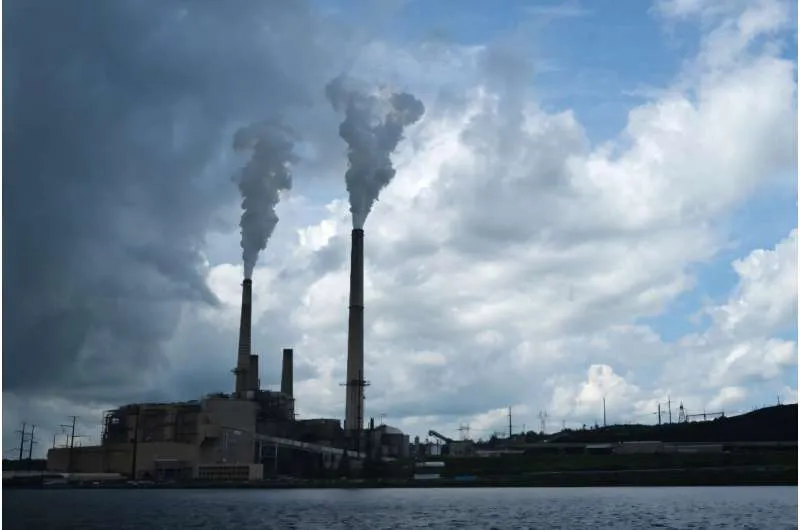
Natural gas has emerged as a central topic at the world's largest energy conference, as industry leaders discuss powering the rapid expansion of artificial intelligence. At CERAWeek, where approximately 10,000 experts and executives gathered, participants debated the fastest methods to meet the technology's massive energy demands while navigating carbon neutrality commitments.
nnLaurent Ruseckas of S&P Global told AFP that "gas-fired power, for sure, is critical" to AI development. The conference featured numerous sessions on how the gas sector can satisfy AI's insatiable electricity needs, or how AI-driven software can optimize production in the sector.
nnData centers that power AI and cloud technology consume enormous amounts of electricity, often with significant carbon footprints. Natural gas already represents the third-largest energy source for global data centers, accounting for 26% of demand, according to International Energy Agency data.
nnCoal remains the dominant energy source for data centers, followed by renewable energy. Since 2016, the United States has significantly increased natural gas production, with liquefied natural gas exports growing thirtyfold, according to the US Energy Information Administration.
nnWith US policies favoring fossil fuels, this trend is expected to accelerate. "This surge in gas is coincident and driven by the need to satisfy the growth in AI," said Eric Hanselman, an energy analyst at S&P Global.
nnCharles Riedl, president of the Center for Liquefied Natural Gas, emphasized that "the reliability and dispatch ability of gas is second to none." The organization represents major US industry players including Cheniere Energy, Chevron, and ConocoPhillips.
nnRecent research by Global Energy Monitor indicates that over one-third of US gas capacity directly powers data centers nationwide. However, some experts question the long-term viability of this approach.
nnMark Brownstein of the Environmental Defense Fund expressed skepticism, stating that "certain projects are expensive to run" and "the pollution from them is also considerable." Natural gas primarily consists of methane, which releases CO2 when burned and is a leading greenhouse gas contributor to global warming.
nnIn West Virginia, residents have protested a proposed gas-fired power plant intended solely to serve a data center, citing health and environmental concerns. This opposition reflects broader tensions between AI's energy demands and environmental considerations.
nTech companies had previously committed to carbon neutrality by 2030 or 2040, but the explosive growth in AI demand has led many to reconsider these pledges. "That's gone out the window," Ruseckas noted. "Gas is the only quick way to get power quickly, which is what the data centers need."
nnNuclear power presents another option, currently accounting for 15% of global electricity consumption by data centers. The rapid growth of AI is "making nuclear really part of the solution set now," according to Ho Nieh, chairman of the US Nuclear Regulatory Commission.
nnHowever, nuclear reactors require significantly longer construction times than gas turbines. In January, Meta announced agreements with three US nuclear energy companies, becoming one of the largest corporate buyers of such energy in the United States. The 6.6 gigawatts of power these plants would provide is not expected to be fully operational until 2035.